
offshore industry 2026
Current Scenario in the Offshore Industry (2026): Trends, Challenges & Opportunities
Introduction
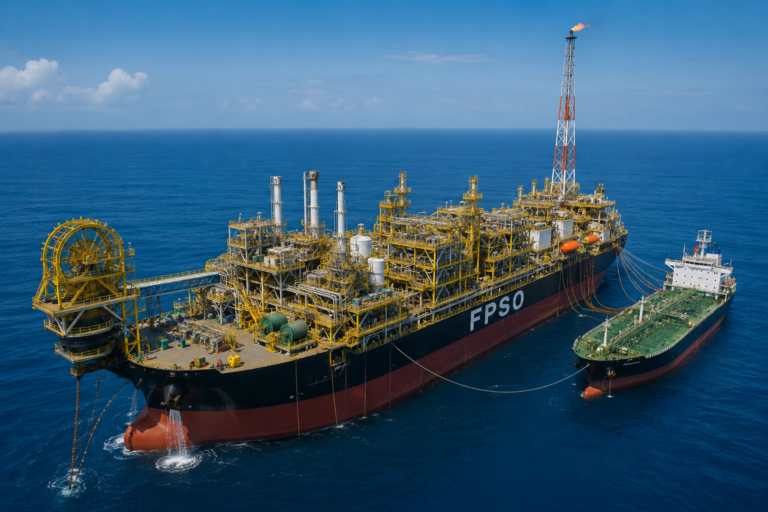
The offshore industry is evolving rapidly in 2026, driven by rising global energy demand, technological advancements, and the transition toward renewable energy. While offshore oil and gas continue to play a vital role, the industry is witnessing strong growth in offshore wind, floating solar, and subsea infrastructure. This transformation is reshaping how engineering companies design, analyze, and execute offshore projects.
Shift Toward Renewable Energy in Offshore Sector
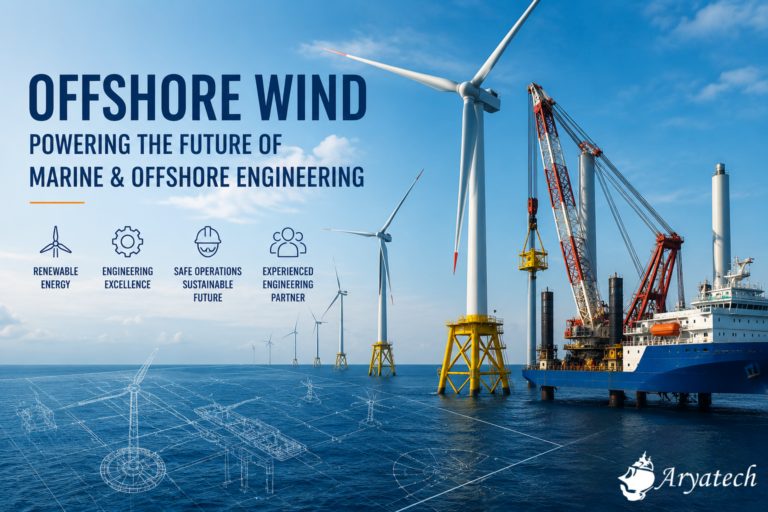
One of the most significant trends in the offshore industry is the increasing focus on renewable energy solutions. Offshore wind farms and floating solar systems are expanding across global markets, supported by government policies and sustainability goals.
This shift is creating demand for:
- Advanced offshore structural design
- Floating system engineering
- Mooring and anchoring solutions
- Cost-efficient installation methods
Engineering companies are now playing a key role in enabling the global clean energy transition.
Growing Importance of Offshore Engineering & Structural Analysis
Modern offshore projects are becoming more complex and technically demanding. As a result, offshore engineering services such as structural analysis, finite element analysis (FEA), and hydrodynamic simulations are essential.
Key engineering requirements include:
- Designing structures for extreme environmental loads
- Ensuring long-term structural integrity
- Optimizing material usage for cost efficiency
- Enhancing safety and operational performance
Advanced tools like SACS, ANSYS, and MOSES are widely used to achieve accurate and reliable results.
Digital Transformation in Offshore Engineering
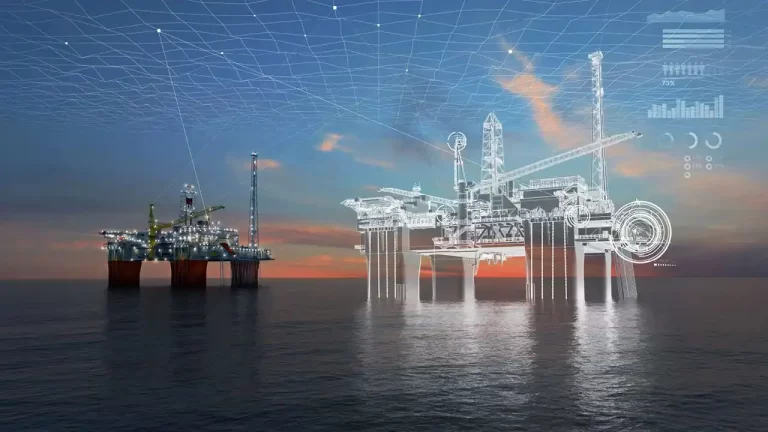
The offshore sector is rapidly adopting digital technologies to improve efficiency and reduce risks. Innovations such as digital twins, real-time monitoring, and simulation-based design are transforming project execution.
Benefits of digitalization include:
- Improved design accuracy
- Reduced project costs
- Faster decision-making
- Enhanced predictive maintenance
These technologies are helping companies deliver smarter and more sustainable offshore solutions.
Challenges in the Offshore Industry
Despite strong growth, the offshore industry faces several challenges:
- High capital investment requirements
- Fluctuating oil and gas prices
- Stringent environmental regulations
- Shortage of skilled engineering professionals
To overcome these challenges, companies must adopt innovative engineering practices and invest in advanced technologies.
Opportunities for Offshore Engineering Companies
The evolving offshore landscape presents significant opportunities for engineering firms. Companies with expertise in offshore structures, subsea systems, and renewable energy engineering are in high demand.
Key opportunity areas include:
- Offshore wind farm development
- Floating solar engineering
- Subsea pipeline and riser analysis
- Rig modification and upgrades
Firms that offer integrated, cost-effective, and technically advanced solutions will lead the future of the offshore industry.
Conclusion
The offshore industry is at a transformative stage, balancing traditional energy needs with a strong push toward sustainability. With rapid advancements in engineering, digital tools, and renewable technologies, the sector is set for long-term growth.
Engineering companies like Aryatech are well-positioned to support this evolution by delivering innovative, reliable, and high-quality offshore solutions tailored to modern industry demands.